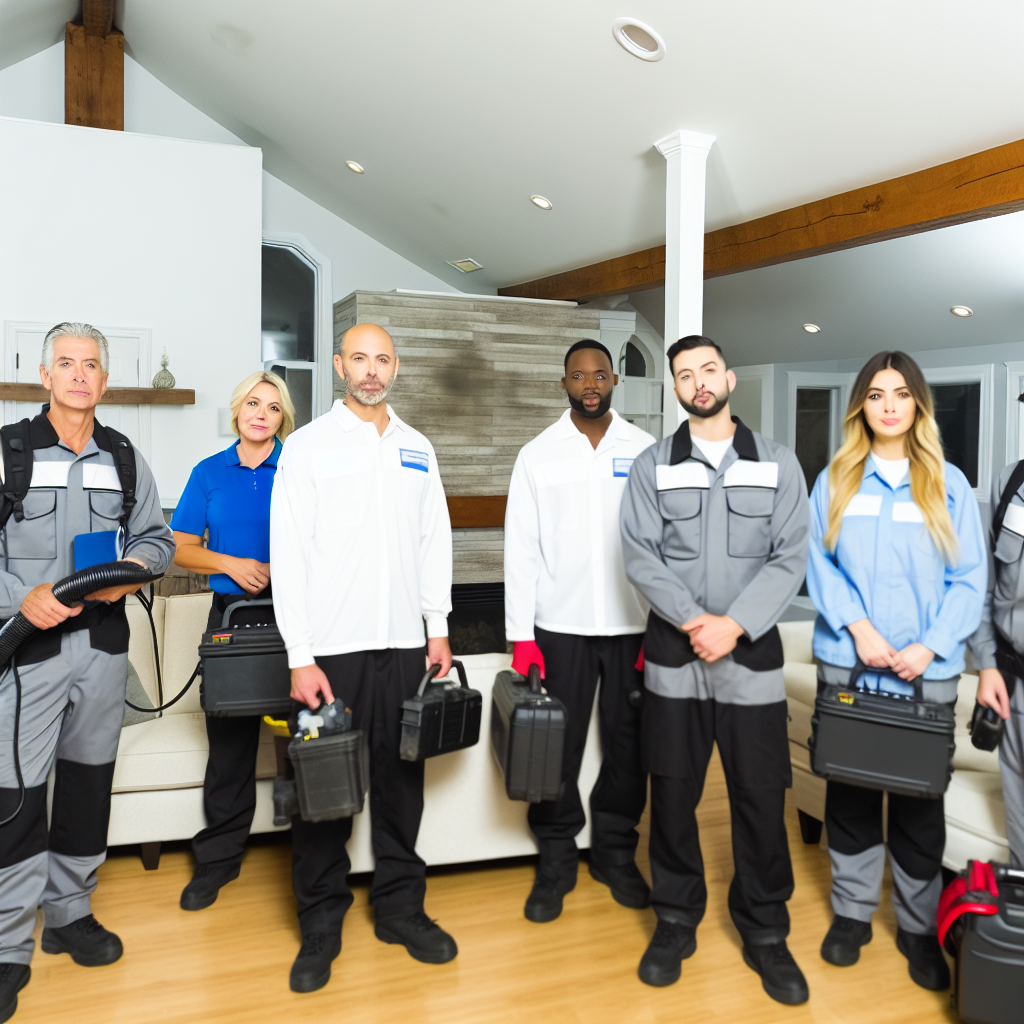
Why Chattanooga Properties Face Elevated Mold Risk & What Professional Remediation Involves
Chattanooga’s location in the Tennessee River valley creates a microclimate where humidity regularly exceeds 75% from May through September. Hamilton County averages 52 inches of rainfall annually—well above the national average of 30 inches. These conditions, combined with the region’s older housing stock built before modern moisture-barrier codes, make professional mold remediation in Chattanooga, TN a common necessity. Typical remediation projects in the Chattanooga area range from $1,500 for a single-room treatment to $12,000 or more for whole-crawlspace or multi-room jobs.
Mold growth in Chattanooga homes most often appears in crawlspaces, basements, bathrooms, and HVAC ductwork. Properties near Chickamauga Creek, South Chickamauga Creek, and low-lying areas of East Brainerd and Red Bank face higher risk due to seasonal flooding and poor drainage. Older homes in the North Shore, St. Elmo, and Highland Park neighborhoods frequently have inadequate vapor barriers and aging plumbing that contribute to hidden moisture problems. Certified mold remediation Chattanooga TN professionals follow ANSI/IICRC S520 standards to contain, remove, and prevent mold recurrence.
If you see visible mold, smell a persistent musty odor, or have received a positive mold test result, call (423) 564-7788 for a free on-site mold inspection. Early intervention reduces remediation costs and protects your family’s health. Our Chattanooga mold remediation services include full documentation for insurance claims and a written 1-year workmanship warranty.
📞 Get Help Now — (423) 564-7788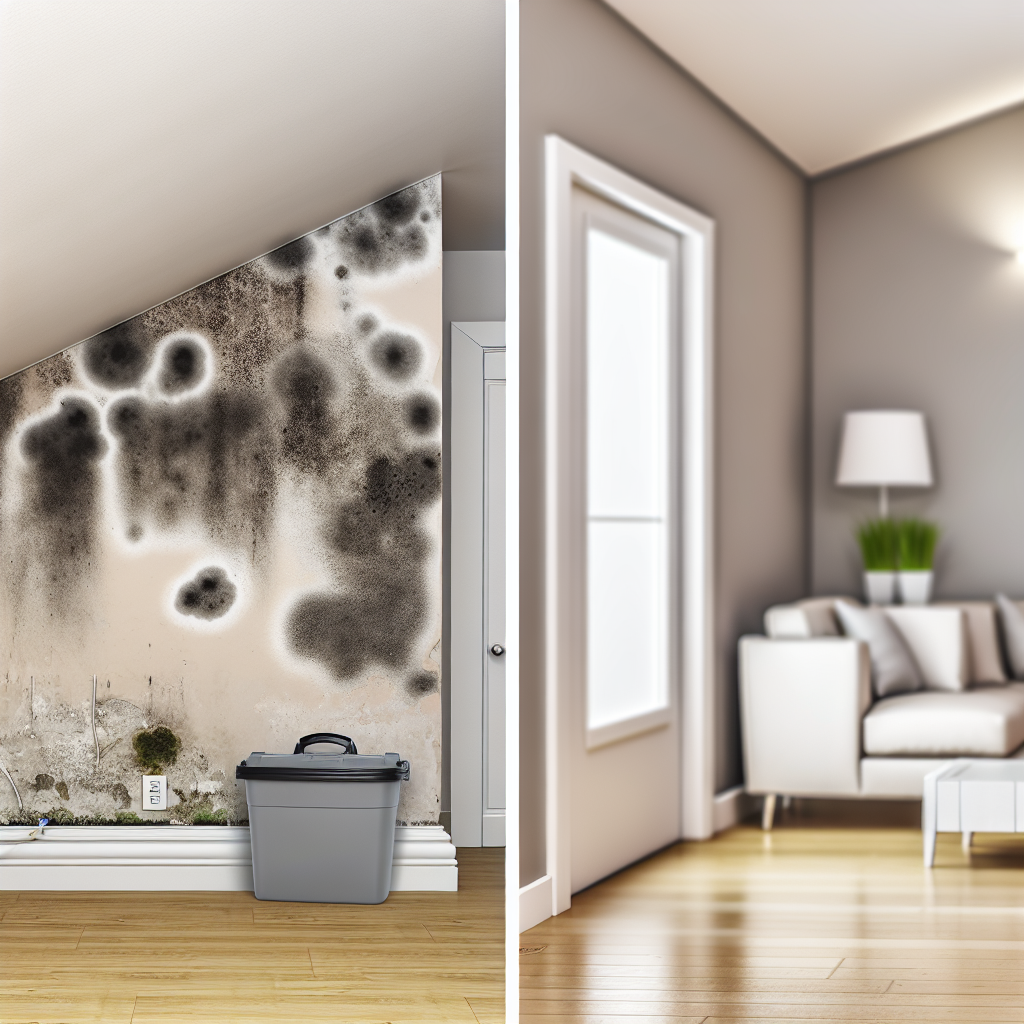
Mold Remediation Service Specifications
Every Chattanooga mold remediation project includes detailed photo documentation, moisture readings, and a written scope of work following ANSI/IICRC S520 standards.
- Response Time:
- Under 30 minutes for emergency calls within Chattanooga city limits. Same-day inspections available for non-emergency requests throughout Hamilton County.
- Service Area:
- Chattanooga and surrounding Hamilton County communities including zip codes 37401–37416, 37419, 37421, and portions of Bradley, Catoosa, and Walker counties.
- Certifications:
- IICRC S520 (Mold Remediation), IICRC WRT (Water Damage Restoration), EPA Lead-Safe Certified Firm, Tennessee contractor license.
- Equipment & Technology:
- HEPA air scrubbers, negative air machines, thermal imaging cameras, pin and pinless moisture meters, antimicrobial treatments (EPA-registered), polyethylene containment barriers.
- Pricing:
- Small single-room projects start at $1,500–$3,000. Crawlspace remediation typically ranges from $3,000–$8,000. Large-scale or multi-room projects may run $8,000–$15,000+. Free on-site estimates provided.
- Insurance:
- Fully licensed and insured with general liability and workers’ compensation coverage. We bill most major homeowners insurance carriers directly.
- Guarantee:
- 1-year written workmanship warranty on all remediation projects. Post-remediation clearance testing by an independent third-party lab to verify mold levels meet acceptable thresholds.
Common Causes of Mold Problems in Chattanooga Homes & Businesses
Chattanooga’s humid subtropical climate and geographic position along the Tennessee River create specific conditions that promote mold growth in both residential and commercial properties.
Crawlspace Moisture & Vapor Intrusion
Many Chattanooga homes—especially those built before 1990 in neighborhoods like St. Elmo, Ridgedale, and Rossville Boulevard—sit on dirt-floor crawlspaces without proper vapor barriers. Ground moisture migrates upward, creating ideal conditions for mold colonies on floor joists and subfloor sheathing. Hamilton County’s clay-heavy soil retains water after rainfall, extending moisture exposure.
Flooding & Stormwater Damage
Properties near South Chickamauga Creek, areas along Amnicola Highway, and low-lying sections of East Brainerd experience periodic flash flooding during Chattanooga’s spring storm season (March–May). Even minor flooding that goes unaddressed for 48–72 hours can trigger aggressive mold growth behind drywall and under flooring.
HVAC Condensation & Ductwork Mold
Chattanooga’s summer heat index frequently exceeds 100°F, pushing air conditioning systems to heavy use. Oversized units or poorly insulated ductwork in attics create condensation that feeds mold growth inside supply vents and air handlers. Commercial buildings downtown and along Broad Street are particularly susceptible due to older rooftop HVAC systems.
Plumbing Leaks in Older Construction
Historic homes in North Shore, Fort Wood, and the Southside district often have galvanized steel or cast-iron plumbing that develops pinhole leaks behind walls. These slow leaks can feed mold growth for months before visible signs appear. Bathroom tile failures around tubs and showers are another leading cause in homes built before waterproof membrane codes took effect.
Our 7-Step Mold Remediation Process
Every Chattanooga mold remediation project follows the ANSI/IICRC S520 Standard for Professional Mold Remediation. This systematic approach ensures thorough removal and documented results.
-
Step 1: Free On-Site Inspection & Assessment
A certified technician inspects the affected area using thermal imaging and moisture meters. We identify the mold species visually and determine the moisture source feeding the colony. You receive a written scope of work and cost estimate before any remediation begins.
-
Step 2: Containment Setup
We isolate the affected area using 6-mil polyethylene sheeting and establish negative air pressure with HEPA-filtered air scrubbers. This prevents mold spores from spreading to unaffected rooms during removal. Containment barriers remain in place until post-remediation testing confirms safe spore levels.
-
Step 3: HEPA Air Filtration
Industrial HEPA air scrubbers rated at 99.97% efficiency for particles 0.3 microns and larger run continuously throughout the project. These machines cycle the air inside the containment zone multiple times per hour. Exhaust is ducted outside the structure when possible.
-
Step 4: Mold Removal & Material Disposal
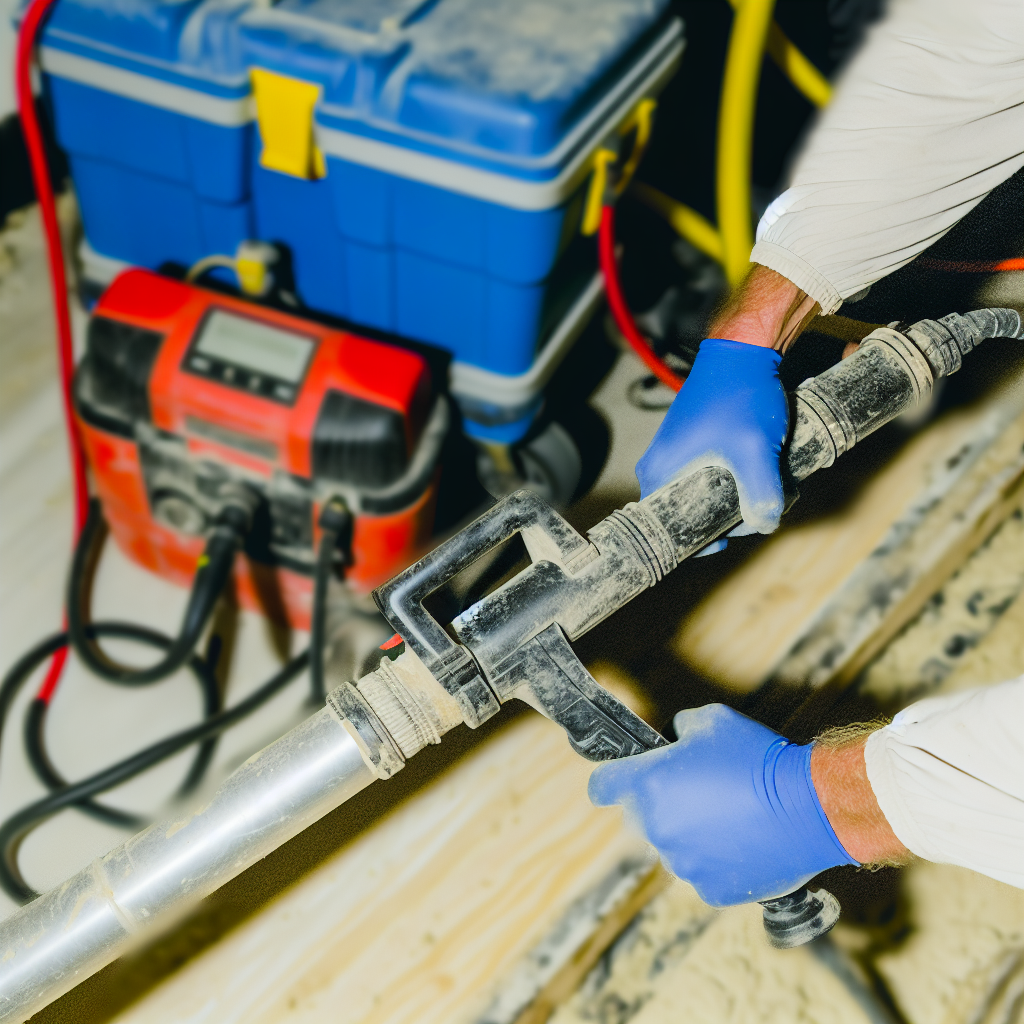
Technicians remove mold-damaged materials including drywall, insulation, carpet, and wood components that cannot be salvaged. Porous materials with embedded mold growth are bagged in sealed containers and disposed of per Tennessee DEP guidelines. Non-porous surfaces are cleaned using HEPA vacuums and wire brushing.
-
Step 5: Antimicrobial Treatment
All surfaces within the containment zone receive an EPA-registered antimicrobial application. This treatment eliminates residual mold spores and creates a protective barrier against regrowth. We apply encapsulants to structural wood members like floor joists and wall studs when full removal isn’t structurally feasible.
-
Step 6: Moisture Source Correction
We address the underlying moisture problem that caused the mold growth. This may include crawlspace vapor barrier installation, drainage correction, plumbing repairs, or HVAC condensation fixes. Without correcting the moisture source, mold will return regardless of how thorough the remediation is.
-
Step 7: Post-Remediation Verification & Clearance Testing
An independent third-party inspector collects air and surface samples to verify mold spore levels have returned to normal background levels. You receive a clearance report documenting test results and before/after photos. Our 1-year workmanship warranty begins on the date of successful clearance testing.
Timeline & Costs for Chattanooga Mold Remediation Projects
Mold remediation costs in Chattanooga depend on the size of the affected area, type of materials involved, and accessibility. Below are typical ranges based on common project types in Hamilton County.
| Project Type | Common Example | Typical Area | Cost Range | Timeline |
|---|---|---|---|---|
| Small – Single Room | Bathroom mold behind shower tile | 25–50 sq ft | $1,500–$3,000 | 1–2 days |
| Medium – Crawlspace | Floor joist & subfloor mold from vapor intrusion | 200–800 sq ft | $3,000–$8,000 | 2–4 days |
| Large – Multi-Room | Post-flood mold in basement & first floor walls | 500–1,500 sq ft | $8,000–$15,000 | 4–7 days |
| Commercial / Whole-Building | Office building HVAC contamination or warehouse mold | 1,500+ sq ft | $15,000–$30,000+ | 1–3 weeks |
All estimates are approximate and based on typical Chattanooga-area projects. Final pricing depends on site-specific conditions including mold species, material types, accessibility, and moisture source complexity. Free on-site inspections and written estimates are provided before work begins.
Why Choose Chattanooga Mold Remediation
Chattanooga Mold Remediation focuses on documented results, transparent pricing, and addressing the moisture source—not just removing visible mold. Every project includes third-party clearance testing and a written warranty backed by IICRC-certified workmanship.
IICRC S520 Certified Technicians
Our technicians hold current IICRC S520 (Mold Remediation) and WRT (Water Damage Restoration) certifications. These credentials require continuing education and adherence to the industry’s most rigorous remediation standards. Certification status is verifiable through the IICRC directory.
Independent Clearance Testing
We don’t self-certify our own work. Every project receives post-remediation air and surface sampling conducted by an independent third-party testing firm. You receive lab results confirming spore counts have returned to acceptable background levels before the project is considered complete.
Moisture Source Correction Included
Removing mold without fixing the moisture source guarantees recurrence. Our scope of work includes identifying and correcting the water intrusion, condensation, or humidity issue that created the mold problem. This may include vapor barrier installation, drainage improvements, or plumbing repairs.
Direct Insurance Billing & Documentation
We provide the detailed photo documentation, moisture readings, and itemized invoicing that insurance adjusters require for mold damage claims in Tennessee. Our team works directly with your insurance carrier to streamline the claims process and reduce out-of-pocket delays.
DIY vs. Professional Mold Remediation Comparison
| Factor | DIY Approach | Professional Service |
|---|---|---|
| Effective Area | ✗ Surface mold on non-porous materials under 10 sq ft (EPA guideline) | ✓ Any size area including behind walls, in crawlspaces, and inside HVAC systems |
| Equipment | ✗ Household cleaners, N-95 mask, gloves, plastic sheeting | ✓ HEPA air scrubbers, negative air machines, thermal cameras, commercial antimicrobials |
| Containment | ✗ Basic plastic sheeting taped over doorways | ✓ Full polyethylene containment with negative air pressure to prevent cross-contamination |
| Health Risk | ✗ High—disturbing mold releases spores; improper protection leads to respiratory exposure | ✓ Low—certified technicians use PPE, engineering controls, and HEPA filtration throughout |
| Recurrence Rate | ✗ High—surface cleaning rarely addresses moisture source or hidden growth | ✓ Low—includes moisture source correction and post-remediation verification testing |
| Documentation | ✗ None—no professional records for insurance or real estate transactions | ✓ Full photo documentation, lab clearance reports, and warranty certificate for property records |
What to Expect When You Call
When you call (423) 564-7788, a mold remediation specialist will schedule a free on-site inspection, usually within the same day. During the inspection, we use thermal imaging and moisture meters to map the full extent of the mold problem and identify the moisture source. You receive a written scope of work and firm cost estimate before any remediation begins. Most residential projects in Chattanooga are completed in 1–5 days, with post-remediation clearance results delivered within 48 hours of project completion.
Common Mold Remediation Project in Chattanooga
📍 Typical Mold Remediation Project: Crawlspace Mold in an East Brainerd Home
- Typical Scenario:
- A homeowner in the East Brainerd area notices a persistent musty odor on the first floor and discovers visible mold on floor joists during a crawlspace inspection. The dirt-floor crawlspace has no vapor barrier, and recent spring storms have left standing water near the foundation walls. Moisture readings on the subfloor exceed 25%—well above the 19% threshold for mold growth.
- Our Approach:
- The remediation team sets up containment at the crawlspace access point with negative air pressure. Technicians HEPA-vacuum all accessible surfaces, then remove mold from floor joists and sill plates using wire brushing and sanding. An EPA-registered antimicrobial encapsulant is applied to all structural wood members. A 12-mil reinforced vapor barrier is installed over the entire crawlspace floor and sealed at the foundation walls.
- Typical Outcome:
- The project is completed in 3 days with a total cost of $4,800 for a 600-square-foot crawlspace. Independent post-remediation air sampling confirms mold spore counts have returned to normal outdoor background levels. The homeowner receives a 1-year written workmanship warranty and clearance documentation for their property records.
Local Chattanooga Mold Risks & Prevention
High-Risk Neighborhoods & Building Types
Properties in low-lying areas near the Tennessee River, South Chickamauga Creek, and Chattanooga Creek face elevated mold risk due to periodic flooding and high water tables. Neighborhoods including St. Elmo, Alton Park, Avondale, and sections of East Chattanooga along Dodds Avenue have older housing stock with limited moisture protection. Homes built on pier-and-beam foundations without sealed crawlspaces are especially vulnerable.
Chattanooga’s Climate & Seasonal Mold Patterns
Mold growth in Chattanooga peaks from May through October when average humidity exceeds 75% and temperatures stay above 70°F. Spring storm season (March–May) produces the highest volume of water-damage-related mold calls. Winter months bring lower humidity but increased condensation risks on poorly insulated windows, attic sheathing, and exterior walls in older buildings.
Tennessee Building Code & Moisture Requirements
Tennessee adopted the 2018 International Residential Code, which requires vapor retarders in crawlspaces and minimum ventilation ratios. However, many Chattanooga homes built before 2000 predate these requirements. If your home lacks a ground-cover vapor barrier, has blocked foundation vents, or uses original single-pane windows, you face significantly higher mold risk than newer construction.
Commercial Property Considerations
Office buildings and retail spaces along Broad Street, in the Warehouse Row district, and throughout downtown Chattanooga often have flat roofs and aging HVAC systems prone to condensation. Commercial tenants should request annual HVAC inspections and verify that rooftop units have functioning condensate drains and properly insulated supply ductwork.
Prevention Checklist for Chattanooga Property Owners
- Maintain indoor humidity below 50% using dehumidifiers during Chattanooga’s May–October humid season
- Install a 12-mil or thicker vapor barrier over dirt crawlspace floors and seal at foundation walls
- Inspect plumbing supply lines and drain connections under sinks and behind toilets every 6 months
- Clean HVAC drip pans and condensate drain lines before the cooling season begins each April
- Ensure bathroom exhaust fans vent to the exterior—not into the attic or soffit
- Grade soil around your foundation so water drains away from the structure at a minimum 6-inch drop over 10 feet
- Repair roof leaks and damaged flashing within 48 hours to prevent moisture from reaching wall cavities
- Monitor crawlspace humidity with a digital hygrometer and run a crawlspace dehumidifier if readings exceed 60%
Insurance Claims Help for Chattanooga Residents
Many homeowners insurance policies in Tennessee cover mold remediation when the mold results from a “covered peril”—such as a burst pipe, appliance leak, or storm damage. However, mold caused by long-term neglect, deferred maintenance, or chronic humidity issues is typically excluded. Tennessee does not cap mold coverage by statute, but many carriers apply sub-limits ranging from $5,000 to $25,000 specifically for mold damage. Review your policy’s mold endorsement or exclusion language before filing a claim.
Chattanooga Mold Remediation provides the detailed documentation insurance adjusters require: timestamped photos, moisture readings, a written scope of work, itemized invoicing, and independent lab clearance reports. We communicate directly with your insurance carrier throughout the claims process and can begin work under an emergency authorization before full claim approval when water damage is ongoing. Call (423) 564-7788 for guidance on whether your situation qualifies for coverage.
Our 5-Step Insurance Claim Process
- We inspect the damage, document moisture readings and mold extent with photos, and provide you with a written scope of work to submit with your claim.
- You file the claim with your carrier and provide our documentation package. We can contact your adjuster directly with your authorization.
- Your insurance adjuster reviews the scope and approves covered work. We clarify any line items or provide supplemental documentation if the adjuster requests it.
- We complete the remediation and provide the adjuster with final invoicing, before-and-after photos, and independent clearance test results.
- Your carrier issues payment based on the approved scope. We handle any supplement requests for additional work discovered during remediation.
Mold Insurance Coverage in Tennessee
Tennessee law does not require insurers to cover mold damage. Coverage depends on your specific policy and the cause of the mold. Sudden and accidental water damage (burst pipe, storm damage) is typically covered. Gradual moisture issues (humidity, slow leaks) are typically excluded. Check your policy for mold sub-limits, which commonly range from $5,000 to $25,000.
Direct Insurance Billing
We bill your insurance carrier directly using Xactimate estimating software—the same platform most adjusters use. This reduces disputes over line items and speeds up claim processing. You pay only your deductible and any amounts exceeding your policy’s mold coverage sub-limit.
Certifications & Equipment We Use
Industry Certifications
Our technicians hold IICRC S520 (Professional Mold Remediation) and IICRC WRT (Water Damage Restoration) certifications. These credentials are issued by the Institute of Inspection, Cleaning and Restoration Certification and require passing a proctored exam plus ongoing continuing education. Our firm is also an EPA Lead-Safe Certified Firm, which is required when disturbing painted surfaces in homes built before 1978—common in Chattanooga’s historic neighborhoods.
Remediation Standards We Follow
All projects follow the ANSI/IICRC S520 Standard for Professional Mold Remediation and the S500 Standard for Water Damage Restoration. These standards define containment protocols, personal protective equipment requirements, cleaning methods by material type, and post-remediation verification procedures. Following published standards ensures consistent, documentable results and provides the evidentiary basis for insurance claims and real estate disclosures.
Equipment Deployed on Every Project
- HEPA Air Scrubbers — Industrial air filtration units capturing 99.97% of airborne particles at 0.3 microns. Continuously cycle containment zone air during remediation to suppress spore counts.
- Negative Air Machines — Create negative pressure inside containment zones to prevent mold spores from migrating to unaffected areas. Exhaust filtered air outside the structure.
- Thermal Imaging Cameras — FLIR-brand infrared cameras detect temperature differentials behind walls, ceilings, and floors that indicate hidden moisture—the precursor to hidden mold growth.
- Pin & Pinless Moisture Meters — Measure moisture content in wood, drywall, and concrete to map the full extent of water damage and verify materials have dried to safe levels below 19% for wood.
- HEPA Vacuums — Industrial vacuums with HEPA filtration remove loose mold spores from surfaces before wet cleaning or antimicrobial application. Prevent re-aerosolization during cleanup.
- Antimicrobial Encapsulants — EPA-registered antimicrobial coatings applied to structural wood members after mold removal. Create a protective barrier that inhibits future mold colonization on treated surfaces.
Why You Can Trust Chattanooga Mold Remediation
Tennessee state contractor license with general liability and workers’ compensation insurance. Certificate of insurance available upon request.
Technicians certified in Professional Mold Remediation (S520) and Water Damage Restoration (WRT) through the IICRC.
Live dispatch available 24 hours a day, 7 days a week. Under-30-minute response time within Chattanooga city limits for emergency mold and water damage calls.
Every remediation project includes a 1-year written workmanship warranty backed by independent third-party clearance testing and lab documentation.
Serving Chattanooga and Surrounding Communities
Chattanooga Mold Remediation provides emergency and scheduled mold remediation services throughout Hamilton County and surrounding communities with response times under 30 minutes within city limits.
Zip codes served: 37401 • 37402 • 37403 • 37404 • 37405 • 37406 • 37407 • 37408 • 37409 • 37410 • 37411 • 37412 • 37415 • 37416 • 37419 • 37421 • 37343 • 37363 • 37377 • 37379 and surrounding Hamilton County areas.
Frequently Asked Questions About Mold Remediation in Chattanooga, TN
How long does mold remediation take in Chattanooga?
Most residential mold remediation projects in Chattanooga take 1–5 days depending on the size and location of the affected area. A single bathroom typically requires 1–2 days. Crawlspace remediation averages 2–4 days. Large-scale projects involving multiple rooms or commercial properties may take 1–3 weeks. Post-remediation clearance test results are typically available within 48 hours after project completion.
What does mold remediation cost in Chattanooga, TN?
Mold remediation costs in Chattanooga range from $1,500 for small single-room projects to $15,000 or more for large multi-room or crawlspace jobs. The average residential project in Hamilton County falls between $3,000 and $8,000. Pricing depends on the square footage affected, type of materials involved, accessibility, and whether structural repairs are needed. We provide free on-site inspections and written estimates before any work begins.
Does homeowners insurance cover mold remediation in Tennessee?
Tennessee homeowners insurance typically covers mold remediation when the mold results from a sudden, accidental covered event like a burst pipe or storm damage. Mold caused by long-term humidity, deferred maintenance, or gradual leaks is usually excluded. Many Tennessee policies include mold sub-limits between $5,000 and $25,000. We provide the detailed documentation your adjuster needs and bill your carrier directly.
Can I stay in my home during mold remediation?
In most cases, yes. Professional containment with negative air pressure isolates the work area and prevents spores from reaching occupied rooms. However, if the mold covers a very large area, involves the HVAC system, or if household members have respiratory conditions, temporary relocation during remediation is recommended. Your technician will advise you during the initial inspection based on the specific conditions in your home.
How do I prevent mold from returning after remediation?
The most important step is controlling indoor humidity below 50%, which is especially challenging during Chattanooga’s humid months from May through October. Install or maintain a crawlspace vapor barrier, use dehumidifiers in below-grade spaces, ensure bathroom fans vent to the exterior, and fix plumbing leaks within 24 hours. Annual inspections of your crawlspace, attic, and HVAC system catch moisture problems before mold establishes.
What is the difference between mold removal and mold remediation?
Mold removal implies eliminating all mold, which is impossible since mold spores exist naturally in outdoor air. Mold remediation is the professional process of returning indoor mold levels to normal background concentrations. Remediation includes containment, HEPA filtration, physical mold removal, antimicrobial treatment, moisture source correction, and post-remediation verification testing. The goal is safe, documented spore levels—not a sterile environment.
Do you handle black mold remediation in Chattanooga?
Yes. We remediate all mold species commonly found in Chattanooga homes, including Stachybotrys chartarum (commonly called black mold), Aspergillus, Penicillium, and Cladosporium. The remediation process is similar regardless of species—containment, HEPA filtration, removal, and antimicrobial treatment. Mold color alone does not indicate species or toxicity. If you’re concerned about a specific mold type, our inspection includes visual identification and we can arrange laboratory analysis.
Are you available 24/7 for emergency mold remediation in Chattanooga?
Yes. Emergency mold remediation Chattanooga services are available 24 hours a day, 7 days a week, including holidays. Our dispatch team answers live calls at (423) 564-7788 around the clock. For active water damage situations where mold growth is imminent or already starting, we target under-30-minute response times within Chattanooga city limits. Evening and weekend emergency calls receive the same pricing as standard business-hour service.
What Tennessee regulations apply to mold remediation?
Tennessee does not currently have state-specific mold remediation licensing requirements, but contractors must hold a valid Tennessee contractor license for projects exceeding $25,000. The industry follows ANSI/IICRC S520 standards as the accepted professional protocol. Tennessee’s real estate disclosure law requires sellers to disclose known material defects, including prior mold problems. Our clearance documentation provides the records needed for compliant property disclosures.
How do I know if mold is hidden behind walls or under flooring?
Signs of hidden mold include persistent musty odors with no visible source, unexplained allergy symptoms that worsen indoors, and water stains or discoloration on walls and ceilings. During our free inspection, we use thermal imaging cameras to detect temperature differences behind surfaces that indicate moisture. Pin and pinless moisture meters confirm elevated moisture levels in wall cavities, subfloors, and other concealed areas without destructive testing.
Service Guarantees
1-Year Written Workmanship Warranty
Every mold remediation project includes a 1-year written warranty covering our workmanship. If mold recurs in the remediated area within 12 months due to a failure in our remediation work, we return to re-treat the area at no additional cost. The warranty period begins on the date of successful post-remediation clearance testing.
Third-Party Clearance Testing
We do not self-certify our work. An independent testing firm collects post-remediation air and surface samples to verify mold spore levels have returned to normal background concentrations. You receive the lab report directly. If clearance testing fails, we continue remediation work at no extra charge until passing results are achieved.
Written Scope & Fixed Pricing
You receive a detailed written scope of work and firm cost estimate before remediation begins. We do not charge hourly rates that leave final costs uncertain. If we discover additional affected areas during the project, we discuss the expanded scope and revised pricing with you before proceeding.
Moisture Source Correction Commitment
Our warranty requires that the underlying moisture source be addressed. We identify the cause of moisture intrusion during our inspection and include corrective measures in our scope. If the moisture source is beyond our scope (e.g., major plumbing or roof replacement), we document the issue and recommend qualified contractors.
Get Fast, Professional Mold Remediation in Chattanooga Today
Mold spreads rapidly in Chattanooga’s humid climate—what starts as a small patch can double in size within 24–48 hours. Call (423) 564-7788 now for a free on-site mold inspection. Our IICRC-certified team responds within 30 minutes for emergency situations throughout Hamilton County.
📞 (423) 564-7788Call Now — Free Assessment